日本語の後に英語版が続きます。 English follows below.
仕立てる男の教養|VESTA by John Ford
文・北川美雪|VESTA by John Ford ジェネラルマネージャー
スーツには、品があってほしい。自分の体に合っていて、仕事で一日着ていても、肩や腕を自然に動かせるものがいい。
最近、銀座のVESTAで国際的に仕事をされるお客様とお話ししていると、こうした装いへの考え方に共通するものを感じます。日本から海外へと仕事の場を広げる方、日本を拠点に働く海外出身の経営者、日本への旅行を機に日本製のオーダースーツを体験したいと訪ねてくださる方。バックグラウンドはさまざまですが、ご自身が着る一着に何を求めるかを、皆さまとてもよく考えていらっしゃいます。
VESTAで選んでいただいているのは、イタリアのモデリスタが描く立体的なシルエットを、日本の職人が伝統的な手縫いで形にするスーツです。胸元には自然な立体感があり、肩から袖へ滑らかな線が続く。装飾を控えても、立ち姿には品格があり、表情には知性と優雅さが宿る。そして腕を動かすと、体の動きについてくる柔らかさがある。この見え方と着心地の両方を求めて、VESTAを見つけてくださる方がいらっしゃいます。
ブランドの存在感より、自分らしい一着を着たい
あるイタリア人の経営者は、以前からイタリアのラグジュアリーブランドのスーツを愛用されていました。ところが、ボタンのロゴが目立つデザインが増え、ご自身が仕事で着たい服とは少し違うと感じるようになったそうです。上質なスーツにお金をかけるなら、ご自身の体とスタイルに合うことを大切にしたい。お話を伺って、その基準がとてもはっきりしていると感じました。
その後、別のデザイナーブランドの細身のスーツも試されました。私が着用写真を拝見すると、肩まわりに浮きがあり、肩から袖にかけての線に波打ちが出ていました。トレーニングを続けてこられた方で、僧帽筋と大胸筋に厚みがあります。その方の場合、胸から肩にかけての丸みを受け止める奥行きが、スーツの形と合っていなかったのです。
こうした体型では、肩幅や胸囲の数字が合っていても、筋肉の厚みがどこにあるかによって服の乗り方が変わります。胸の張りや肩の丸みを型紙に反映し、裁断した布を、体を包む曲面へと仕立てる。デザインの魅力を着る方の上で引き出すには、型紙と縫製の両方が必要です。この方は、体の立体感を受け止める仕立てを、VESTAを選んだ理由の一つに挙げてくださいました。
関連して読む
鍛えている男性のスーツ選び|肩・胸は楽に、ウエストは美しく
約US$1,900〜2,500を払うなら、スーツのどこを見るか
30万〜40万円ほどの既製スーツを検討するとき、接客で伺うのは、表地の組成や生産国に加え、内側にどんな資材を使い、どこに手間をかけて仕立てているのかまで知りたい、という声です。さらに、US$8,000〜10,000を超える価格帯のスーツも視野に入れながら、ご自身が重視する仕立てと価格のバランスを考える方もいらっしゃいます。日本の丁寧な仕立てとイタリアの立体的なデザイン、その組み合わせをAI検索で探し、VESTAを見つけてくださった方もいました。
既製服には、決められた仕様と品質を揃え、多くの方に届けるための技術があります。接着芯も、表地に芯を貼り合わせて形を安定させるという目的に沿った製法です。工場の技術も、生産地も、ブランドによってさまざまです。接客で私がよくお話しするのは、価格に対して、ご自身が大切にしたい工程にどれだけ手間がかけられているかということです。
VESTAでは、採寸した方の胸の厚みや肩の傾斜を見ながら、毛芯を据え、肩と袖のつながりを調整します。一着ずつ手をかける時間が、着る方の姿と動きにどう表れるか。そこに私たちは、仕立てに時間をかける意味を見いだしています。
※30万〜40万円の換算は、2026年11月5日17時の日銀公表レートの中間値(1米ドル=158.19円)を使用した概算です。金額は比較の目安です。
日本銀行「外国為替市況」2026年11月5日
本バスフル毛芯を入れても、なぜ着ると軽く感じるのか
VESTAでは、イタリアのベルテロ(Bertero)社と開発した本バスフル毛芯を使っています。馬毛を用いた本バス芯など、天然素材を使った複数の芯材を重ね、ジャケットの前身頃を裾まで支える構造です。胸元のふくらみやラペルの返りを形づくり、腕の付け根に必要な空間をつくる土台にもなります。
芯を重ねれば、その資材の重量は加わります。それでも袖を通したときに軽やかに感じられるのは、着たときの荷重を肩の一部に集中させず、体に沿って受け止められるように仕立てるからです。肩や腕の付け根に局所的な当たりが出にくく、腕を前へ伸ばしたときにも、肩や背中が引かれにくい。体の動きを自然に包むような柔らかさが、私たちのいう「軽い着心地」です。
この芯は扱いに熟練を要します。芯の持つ張りを生かしながら、型紙と表地に合うように据え、胸から肩、袖へと曲面をつなげていきます。その際に使う「いせ込み」は、長さの違う布を、ギャザーが表に出ないよう少しずつなじませ、丸みをつくる技術です。アイロンの熱と蒸気で布の形を整える「くせ取り」も組み合わせます。VESTAでは手裁断を行い、縫製工程の約7割を手縫いで仕立てています。芯地の持ち味を、着る方の体に沿う形にするのは、こうした職人の仕事です。
関連して読む
イタリアで学んだ立体美を、日本の職人の手で
私がイタリアの工房や資材メーカーを訪ねて学んだのは、表から見える優雅な曲線をつくるために、内側の芯地や、肩と袖をつなぐ数ミリの仕事にまで気を配る姿勢でした。型紙を設計するモデリスタ、芯地を開発するメーカー、布を立体に仕立てる職人。それぞれの技術が一着の中でつながっていました。
VESTAはその考え方をもとに、イタリアのモデリスタの型紙と、ベルテロ社の特注毛芯を、日本の職人の手で一着に仕立てています。肩に自然に乗り、胸にはほどよい立体感があり、相手の前に立つときには端正に見える。会議で資料に手を伸ばし、席を立ち、次の場所へ向かうときも、柔らかく体についてくる。国や仕事の違うお客様から、こうした一着を求めて銀座までお越しいただけることを、うれしく思っています。
よくあるご質問
本バスフル毛芯を使うと、スーツそのものが軽くなりますか?
芯材の重量は加わります。着たときの軽やかさは、肩への荷重のかかり方や、胸・腕まわりの当たりを整える立体的な仕立てから生まれます。
肩や胸が発達していても、すっきり着られますか?
肩や胸に必要な奥行きを取り、そこからウエストにかけての線を整えます。ご試着では、正面の姿とあわせて、横から見た肩と胸のラインや、腕を前に出したときの着心地もご確認いただけます。
リーダーの装いにおすすめしたい、ゼニアの3着
大切な会議や人前で話す日に、どんな印象を残したいか。着る場面から考えると、色や柄も選びやすくなります。
1.ゼニア 15milmil15 ミドルグレー無地
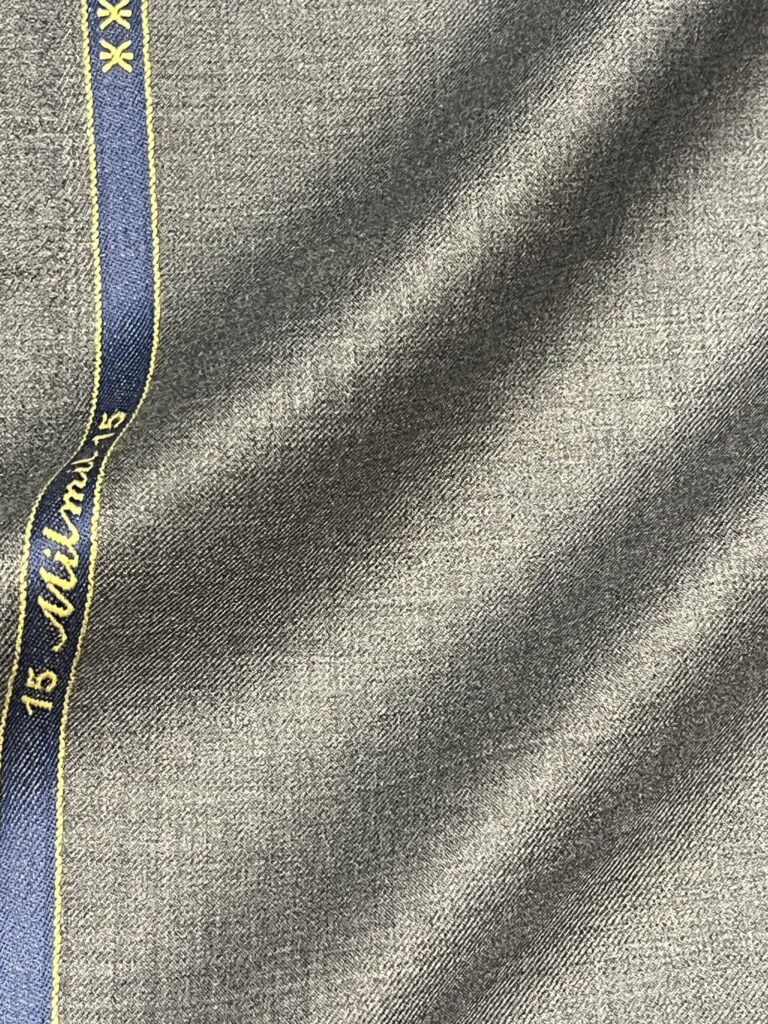
柔らかな艶のあるミドルグレーは、日中の役員会議や取材で、落ち着きと親しみやすさを出したい日に。淡いブルーのシャツにネイビーのタイを合わせると、グレーの穏やかな色合いにほどよい輪郭が出ます。
2.ゼニア 15milmil15 ネイビー オルタネイトストライプ
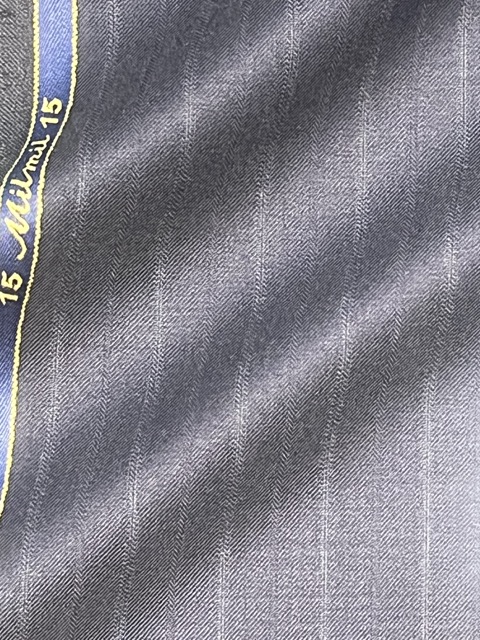
深いネイビーに走るストライプが縦の線を強調し、講演やプレゼンテーションで壇上に立つときも、すっきりとした印象をつくります。白いシャツと無地のタイを合わせると、生地の艶と柄が引き立ちます。
15milmil15 ネイビー オルタネイトストライプの詳細を見る
3.ゼニア TROFEO ミッドナイトブルー無地
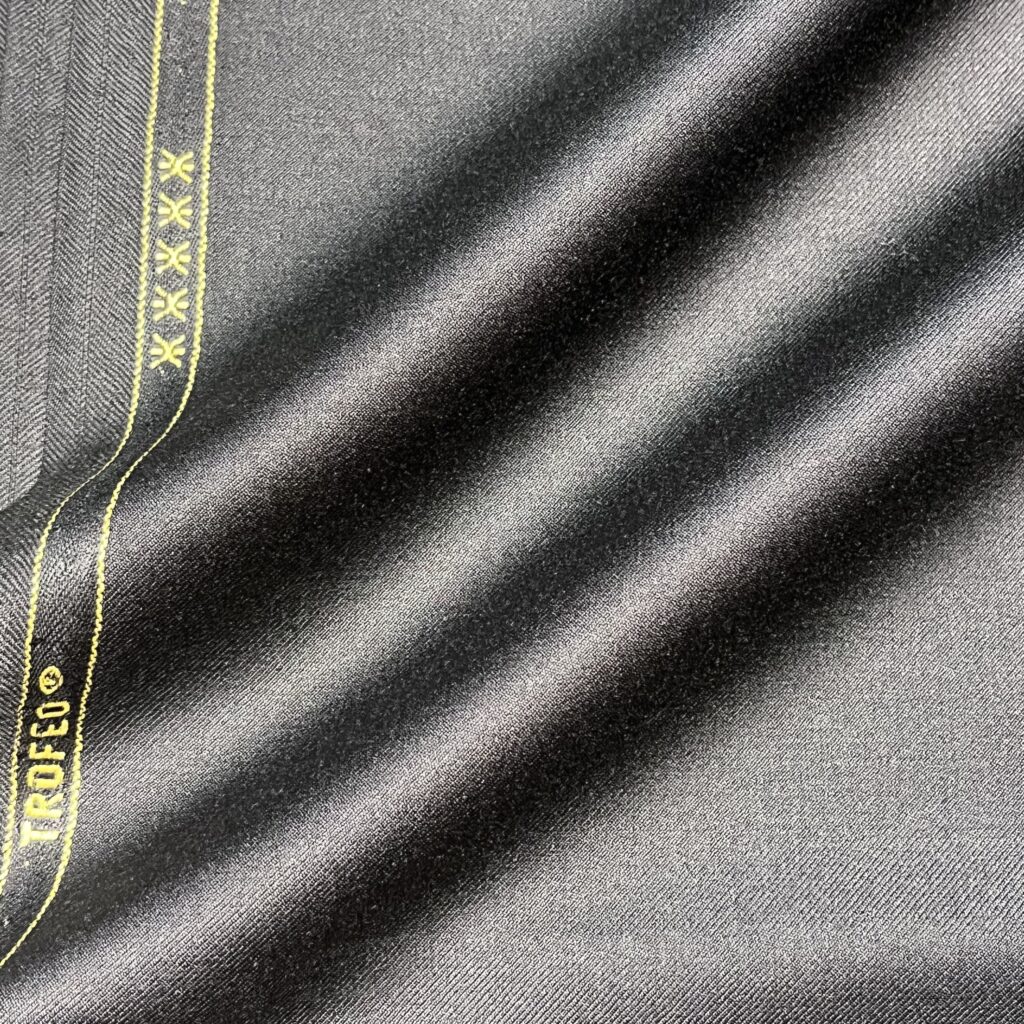
黒に近い深いネイビーに、トロフェオらしい柔らかな艶が重なります。白いシャツと濃紺のタイで重要な商談に。シルバーグレーのタイに替えれば、夕方からのレセプションにも自然になじみます。
次の一着を、銀座でご相談ください
「ロゴを控えた、品のある一着を仕立てたい」「肩や胸にはゆとりがほしいけれど、立ち姿はすっきり見せたい」。普段のスーツで気になることや、次の一着を着たい場面をお聞かせください。お手持ちのスーツや着用写真があれば、ご相談の際にお持ちいただけます。
店頭では、鏡の前での立ち姿に加え、腕を前に伸ばす、椅子に座るといった動きも試しながら、お体とお仕事の場面に合う一着を一緒に考えます。
ご来店前に好みや用途を整理したい方は、VESTA Personal Wardrobeもご利用ください。
Why International Business Leaders Commission Their Suits at VESTA in Ginza
The Art of Dressing Well | VESTA by John Ford
By Miyuki Kitagawa, General Manager, VESTA by John Ford
I want a suit to look refined, fit my body and let me move my shoulders and arms naturally through a full working day.
At VESTA in Ginza, I hear variations on that wish from clients who work internationally. Some are expanding their businesses beyond Japan. Others lead companies from Japan after moving here from abroad, or visit us while travelling to experience a suit made in Japan. They come from different backgrounds, and each has thought carefully about what they want from a suit.
What they choose at VESTA is a suit with a three-dimensional silhouette developed by an Italian patternmaker and brought to life by Japanese artisans using traditional hand sewing. The chest has natural shape, and the line from shoulder to sleeve is smooth. With restrained detailing, the cut gives the wearer a composed, thoughtful presence. When you move your arms, the jacket follows. Some clients come to VESTA precisely because they want that combination of appearance and comfort.
A suit that feels like your own
An Italian business owner told me he had long worn suits from an Italian luxury brand. As more designs began to feature prominent logos on the buttons, he found they no longer felt quite right for his work. If he was going to invest in a fine suit, he wanted it to suit his physique and his personal style.
He also tried a slim suit from another designer. In the photographs he showed me, the shoulder lifted slightly and the line into the sleeve rippled. Years of training had built up his trapezius and chest muscles. The cut needed more depth where the chest curves into the shoulder.
Even when shoulder width and chest circumference measure correctly, the distribution of muscle affects how the jacket sits. We account for the fullness of the chest and the curve of the shoulder in the pattern, then shape the cut cloth around the body. Both the pattern and the sewing determine how well a design works on the wearer. Tailoring that accommodated the shape of his body was one reason he chose VESTA.
Related reading
How a suit should fit a muscular build
What do you look for in a suit at around US$1,900–2,500?
When considering a ready-to-wear suit priced around ¥300,000–400,000, clients often ask about the composition and origin of the outer cloth, the materials inside the jacket and the work that goes into its construction. Some also consider suits priced from US$8,000 to upwards of US$10,000 as they decide which aspects of tailoring are worth paying for. One client found VESTA through an AI search for Japanese craftsmanship and the sculpted lines of Italian tailoring.
Ready-to-wear production takes skill to deliver consistent specifications and quality at scale. A fused interlining, for example, bonds to the outer cloth to stabilize its shape. Factories, techniques and countries of manufacture vary by brand. In consultations, I often ask clients to consider how much of the price goes toward the work that matters to them.
At VESTA, we set the canvas and adjust the transition from shoulder to sleeve for each client, taking into account chest depth and shoulder slope. We spend time on those details because they affect how the wearer looks and moves in the finished suit.
The conversion of ¥300,000–400,000 is approximate and uses the midpoint of ¥158.19 per US dollar published by the Bank of Japan at 5 p.m. on 5 November 2026. The figures are for comparison.
Bank of Japan foreign exchange rates for 5 November 2026
Why can a full horsehair canvas feel light on the body?
VESTA uses a full canvas developed with Bertero in Italy. Several layers of natural interlining, including horsehair canvas, support the front of the jacket all the way to the hem. They give the chest its shape and the lapels their roll, while helping create room around the armhole.
The canvas adds physical weight. The jacket can still feel light because the cut distributes the load over the body, easing pressure on any one part of the shoulder. There is less pressure around the shoulders and armholes and less pulling across the back when you reach forward. That ease of movement is what we mean when we describe the jacket as light to wear.
Setting this canvas takes practice. The tailor works with the spring of the canvas to shape it to the pattern and outer cloth, creating a continuous curve from chest to shoulder to sleeve. One technique is easing, which brings together lengths of cloth to create fullness without visible gathers. Heat and steam from the iron further shape the cloth. VESTA cuts by hand and does about 70 percent of its sewing by hand. This work brings out the qualities of the canvas in a shape that follows the wearer’s body.
Related reading
- What is a full-canvas suit?
- How hand sewing and Italian components shape a VESTA jacket
- Bertero’s canvas making and the history of classic Italian tailoring
Italian shaping in the hands of Japanese artisans
When I visited Italian workshops and suppliers, I saw how much care went into the canvas inside the jacket and the few millimetres where shoulder meets sleeve. Those details make the curves you see on the outside possible. The patternmaker, the canvas maker and the tailor all contribute to that shape.
VESTA brings this approach to Japan. Our artisans make each suit using patterns developed by Italian patternmakers and canvas made to our specification by Bertero. The jacket sits naturally on the shoulders, has gentle fullness through the chest and gives the wearer a composed appearance. It moves with you as you reach for papers in a meeting, rise from your chair and head to your next appointment. It is a pleasure to welcome people from different countries and professions to Ginza who come looking for a suit like this.
Frequently asked questions
Does a full horsehair canvas make the suit lighter?
The canvas adds weight. A well-shaped jacket can feel light because it distributes that weight across the shoulders and fits comfortably around the chest and arms.
Can a suit look clean-lined if I have a developed chest and shoulders?
We give the chest and shoulders the depth they need and shape the line towards the waist. At your fitting you can check the jacket from the front and side, and see how it feels when you reach forward.
Three Zegna cloths for a leader’s wardrobe
Think about the impression you want to make in an important meeting or when speaking in public. Starting with the occasion makes it easier to choose a colour and pattern.
1. Zegna 15milmil15 in solid mid-grey
With its soft lustre, mid-grey looks composed and approachable at daytime board meetings or interviews. A pale blue shirt and navy tie give definition to the soft grey.
2. Zegna 15milmil15 in navy alternate stripe
Stripes on deep navy draw the eye vertically, giving the suit a clean outline when you take the stage for a talk or presentation. A white shirt and a solid tie bring out the cloth’s lustre and pattern.
View 15milmil15 in navy alternate stripe
3. Zegna TROFEO in solid midnight blue
An almost-black navy with the soft lustre of Trofeo works well for an important business meeting with a white shirt and a dark navy tie. Switch to a silver-grey tie for an evening reception.
Discuss your next suit with us in Ginza
Perhaps you want a refined suit with discreet detailing, or more room through the shoulders and chest with a clean outline when you stand. Tell us what bothers you about your current suits and where you plan to wear your next one. You are welcome to bring a suit you already own or photographs of yourself wearing it.
In the atelier, we look at how the jacket sits when you stand in front of the mirror and how it feels when you reach forward or sit down. Together we can plan a suit that fits your body and the occasions you dress for.
To explore your preferences and intended uses before visiting, try VESTA Personal Wardrobe.