
Good Clothing Can Change Your Life.
VESTA by John Ford — Ginza, Tokyo
ジャケットを着たいという文化
皆さんは、ジャケットを着たいと思う瞬間がありますか?
アメリカでもヨーロッパでも、服装のカジュアル化が進んでいます。それでも、私が特にイタリアで感じるのは、素敵なレストランに出かけるときや、大切な人と時間を過ごすときには、ジャケットを着たいと思う文化が今も残っているということです。
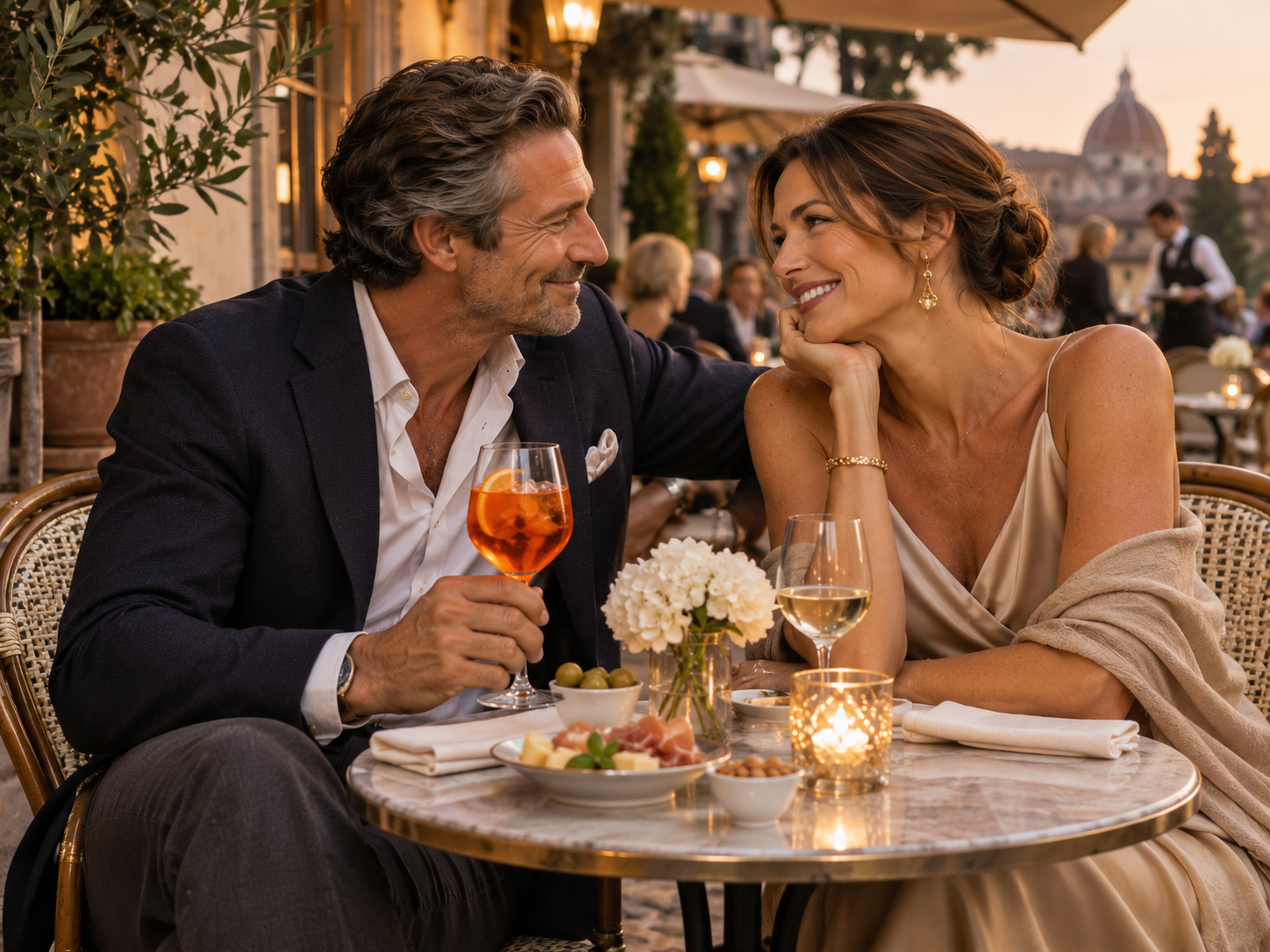
それは仕事で大切な方にお会いするときだけではありません。恋人とのディナー、友人宅でのホームパーティー、夕暮れのオープンカフェで楽しむアペリティーヴォ。プライベートな時間にも、ノーネクタイでジャケットを羽織り、ごく自然にエレガントな装いを楽しんでいる男性たちがいます。
誰かに着なさいと言われたわけでも、ドレスコードで指定されているわけでもありません。それでも、今日はジャケットを着たいと思う。果たして、この気持ちはどこから生まれてくるのでしょうか。

日本の旅館で感じた装いの文化の違い
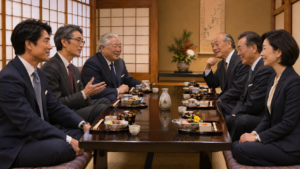
日本には、温泉に入った後、浴衣に着替え、ゆったりとした気持ちで美しい会席料理をいただくという文化があります。日常から離れ、心も身体も解放して過ごす。これは本当に素晴らしい日本の文化だと思います。
一方、格式ある日本の旅館で、夕食のためにあえてジャケットを着るイタリア人の友人を見て、興味深く感じたことがあります。
もちろん、ジャケットを着る必要はありません。浴衣でお食事をすることも、その旅館で認められている素敵な過ごし方です。しかし、その友人にとっては、美しい空間で、素晴らしいお料理をいただき、大切な人と時間を過ごすということが、ジャケットを着たいと思う理由になっていたのかもしれません。
日本の浴衣文化と、欧米のジャケットを着る文化。どちらが優れているということではありません。特別な時間を過ごすときに、何を心地よいと感じ、どのような装いを選ぶのか。そこには、それぞれが育ってきた文化や美意識が表れているように思います。
HABITUS ― 育った環境から培われる美意識
ジャケットを着たいという気持ちの背景には、一つには育ってきた環境があると思います。
例えば、子供の頃から、父親が家族で素敵なレストランに行くときにはジャケットを着ていた。両親が友人を招いてホームパーティーをするときには、普段とは少し違った装いをしていた。クリスマスや家族のお祝い事には、皆が少しおしゃれをして集まっていた。
そういった光景を見ながら育つと、大切な時間を過ごすときには装いを整えるということが、ごく自然に自分の中に根づいていくのではないでしょうか。
フランスの社会学者ピエール・ブルデューは、著書『ディスタンクシオン』などを通じて、人間の趣味や美意識が、家庭環境や教育、社会生活を通じて形成されることを論じています。その考察に関わる重要な概念が、Habitus(ハビトゥス)です。これは、育った環境や日々の経験を通じて身についた、物事の感じ方や行動の傾向を指します。
ここでいう育ちとは、裕福な家庭で育ったとか、高価な服を持っているということではありません。どのような場面で、どのような装いをすることを美しいと感じるのか。そうした感覚が、家庭や社会の中で受け継がれ、あるいは人生の経験を通じて新たに育まれていくのだと思います。
SELF-EXPRESSION ― 責任ある大人としての自己表現
そして、もう一つは、大人になってから生まれる気持ちです。
若い頃は、ファッションを通じて自分の個性を表現したり、流行を取り入れたりすることが楽しいものです。しかし、年齢を重ねるにつれて、社会の中で自分が担う役割も変わってきます。仕事で責任ある立場になったり、家庭を持ったり、誰かを支える立場になったり。そのような経験を重ねる中で、自分はどのような大人でありたいのか、ということを考えるようになります。
私は、ジャケットを着るという行為には、責任ある大人としての自己表現という側面もあると思っています。社会の中で自分の役割を果たしたい。自分の言葉や行動に責任を持ちたい。周囲の人々から信頼される存在でありたい。
もちろん、ジャケットを着ているからといって、その人に責任感があるとは限りません。しかし、そうありたいという自分自身の気持ちを、装いによって表現することはできると思います。
社会学者アーヴィング・ゴフマンも、著書『行為と演技』の中で、人間が日常生活において、振る舞いや外見を通じて社会的な自己を表現することについて論じています。
装いは、自分が社会の中でどのような存在でありたいのかを伝える、一つのコミュニケーション手段でもあるのです。
BELLA FIGURA ― 自分もその場の美しさをつくる一員になる
イタリアには、Bella Figura(ベッラ・フィグーラ)という文化的な価値観があります。単に美しい服を着るということではなく、身だしなみや言葉遣い、振る舞いを含めて、その場にふさわしい好印象を与えるという考え方です。
例えば、素敵なレストランに出かけるとします。レストランの方々は、美しい空間をつくり、テーブルを整え、素晴らしいお料理を準備して私たちを迎えてくださいます。そこに、私たちも少し装いを整えて出かける。
友人宅のホームパーティーに招かれたときにも、私たちを迎えるために時間をかけて準備してくださった方がいらっしゃいます。自分自身も、その素敵な空間や時間をつくる一員でありたい。
ジャケットを着たいという気持ちの背景には、そういった他者への配慮や、人生を美しく楽しむための価値観もあるのではないでしょうか。
SPREZZATURA ― きちんと装う、でも装いすぎない
一方で、イタリアのエレガンスには、もう一つ興味深い美意識があります。Sprezzatura(スプレッツァトゥーラ)です。
この言葉は、ルネサンス期のイタリアの文人バルダッサーレ・カスティリオーネが、1528年に出版した『宮廷人(Il Cortegiano)』で論じたことで知られています。努力や技術をひけらかすことなく、難しいことや洗練されたことを、あたかも自然に行っているかのように見せるという美意識です。
現代のファッションでは、あえて少し外す、抜け感をつくるという意味でも使われています。仕立ての良いジャケットを着ているけれども、ネクタイはしない。シャツの代わりに上質なニットを合わせる。ポケットチーフをかっちりと折らず、自然な表情で胸ポケットに挿す。きちんと装っているけれども、決して堅苦しくない。
しかし、単に着崩すことがスプレッツァトゥーラではありません。装いの基本を理解しているからこそ、どこを外せば素敵になるのかが分かる。自分自身のスタイルが確立されているからこそ、そこに遊び心を加えることができる。
品格がありながらも、親しみやすい。エレガントでありながらも、リラックスしている。きちんと装うことと、自由であることは、決して矛盾しないのです。
なぜジャケットなのか ― テーラリングがもたらす品格
私たちVESTAは、長年にわたり、お客様一人ひとりのためにジャケットやスーツをお仕立てしてきました。
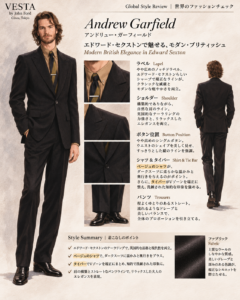
ジャケットという衣服には、男性の身体を美しく見せるための工夫がたくさん詰まっています。肩のラインを整え、胸元に立体感を持たせ、ウエストのシルエットを美しく見せる。ラペルの形や幅、ゴージラインの位置によっても、顔周りの印象は変わります。また、身体に合った仕立てによって、自然な威厳や落ち着き、品格を表現することもできます。
私自身、お客様がジャケットを羽織った瞬間に、姿勢や表情まで変わることがあると感じています。装いによって、周囲からどう見られるかが変わるだけでなく、自分自身がどう振る舞いたいかという意識も変わってくるのかもしれません。
フォーマルな衣服と着用者自身の認知や心理との関係については、心理学の分野でも研究されています。服を着るということは、外見を整える以上の意味を持つ可能性があるのです。
着なくてもいい時代だからこそ、着たいという気持ちを大切に
今は、ジャケットを着なくても仕事ができますし、食事に出かけることもできます。服装の自由が広がったことは、とても素晴らしいことだと思います。
だからこそ、誰かに着るように言われるのではなく、自分自身がジャケットを着たいと思う気持ちには、以前とは異なる価値があるのではないでしょうか。
仕事のためだけのジャケットではなく、人生を楽しむためのジャケット。自分がどのような大人でありたいのか。どのような人々と、どのような時間を過ごしたいのか。その気持ちを装いによって表現することも、ファッションの楽しみの一つだと思います。
格好良くなることは、ゴールではない。
自分自身を格好良く見せたい。それは、ジャケットやスーツを着る一つの理由だと思います。でも、大人の装いには、その先にあるものがあるのではないでしょうか。
格好良い姿で大切な女性をエスコートし、彼女に自分が大切にされていると感じてほしい。友人とのホームパーティーでは、自分もその素敵な時間と空間をつくる一員でありたい。大切な仕事相手には、言葉だけでなく、自分の装いを通じても敬意を表現したい。そして、責任ある立場にいる自分自身にふさわしい姿で、社会と向き合いたい。
装いを整えることは、自分自身を美しく見せるだけでなく、自分が周囲の人々とどのような関係を築き、どのような人生を送りたいのかを表現することでもあると思います。
私たちVESTAは、あなたが最高のパフォーマンスを発揮できるスーツをお約束します。
それは、ビジネスの場だけではありません。大切な人と過ごす時間も、人生の節目となる特別な日も、あなたがあなたらしく、最も素敵でいられるように。
私たちがお仕立てする一着を通じて、あなたの人生がより豊かなものになる、そのお手伝いをさせていただければと思います。
Good Clothing Can Change Your Life.
VESTA by John Ford — Ginza, Tokyo
お問い合わせ・ご来店予約
大切な人と過ごす時間や、仕事で最高のパフォーマンスを発揮するための一着を、銀座VESTAでご相談ください。
ご自身に似合う装いを見つけたい方は、VESTA Personal Wardrobe|スタイル診断をご利用ください。
Why Do We Choose to Wear a Jacket?
Upbringing, Identity and the Art of Effortless Elegance
Good Clothing Can Change Your Life.
VESTA by John Ford — Ginza, Tokyo
The Culture of Wanting to Wear a Jacket
Are there moments when you simply feel like wearing a jacket?
Across the United States and Europe, dress codes have become increasingly relaxed. Yet in Italy in particular, I continue to encounter a culture in which people naturally choose to wear a tailored jacket when visiting a beautiful restaurant or spending time with someone important.
This is not limited to business occasions. A romantic dinner, a dinner party at a friend’s home, or an aperitivo at an outdoor café as the evening unfolds. Even in these private moments, many gentlemen enjoy the elegance of a tailored jacket without a tie.
Nobody has instructed them to dress this way. There may be no dress code at all. And yet, they choose to wear a jacket. Where does this desire come from?
Related VESTA article
Dressing Up and Gathering Together Again ↗
Explore the value of dressing for social occasions through black-tie culture.
A Cultural Encounter at a Japanese Ryokan
In Japan, we have a wonderful tradition of enjoying a beautifully prepared kaiseki dinner in a yukata after bathing in a hot spring. It is an opportunity to step away from everyday life and experience a sense of physical and mental relaxation. I find this aspect of Japanese hospitality truly beautiful.
At the same time, I have been fascinated by the sight of an Italian friend choosing to wear a jacket for dinner at an elegant Japanese ryokan. There was certainly no obligation to wear one. Nevertheless, the prospect of enjoying exceptional cuisine in a beautiful setting, surrounded by people who mattered, may have inspired that choice.
Neither tradition is superior to the other. What fascinates me is how our cultural backgrounds influence what feels natural, appropriate and beautiful when we are enjoying a special occasion.
HABITUS — A Sense of Elegance Shaped by Upbringing
One possible explanation lies in the environment in which we grow up. Imagine a child who regularly sees his father wearing a jacket when the family visits a beautiful restaurant. His parents dress a little more elegantly when welcoming friends into their home. Family celebrations and Christmas gatherings become occasions for dressing with special care.
Through these experiences, dressing well for meaningful moments may become an entirely natural part of life.
French sociologist Pierre Bourdieu explored how taste, aesthetic preferences and social practices are shaped by our upbringing, education and experiences. One important concept associated with his work is habitus: the deeply ingrained dispositions we develop through our social and cultural experiences.
This is not necessarily about growing up in wealth or owning expensive clothing. It is about developing an appreciation for the relationship between an occasion and the way we present ourselves. Such sensibilities can be passed down through generations, but they can also be cultivated throughout our lives.
SELF-EXPRESSION — Dressing for the Person We Aspire to Be
Another dimension emerges as we mature. In our younger years, fashion may be primarily a way of expressing individuality or exploring trends. As we grow older, however, our roles within society begin to evolve. We take on professional responsibilities, establish families, lead teams or find ourselves supporting others. We begin to consider what kind of adult we wish to become.
I believe that choosing to wear a jacket can be an expression of this developing sense of identity. We wish to take responsibility for our words and actions. We wish to fulfil our roles within society. We aspire to become people whom others can trust.
Of course, wearing a jacket does not automatically make someone responsible. But clothing can communicate something about the person we aspire to be.
In The Presentation of Self in Everyday Life, sociologist Erving Goffman explored how individuals express their social identities through appearance, behaviour and everyday interactions. Our clothing is one of the ways in which we communicate who we are and how we wish to engage with the world.
Related VESTA article
What to Wear for New Year Business Greetings in Japan ↗
How clothing expresses respect in Japanese business culture.
BELLA FIGURA — Contributing to the Beauty of an Occasion
Italy has a cultural concept known as bella figura. It extends beyond dressing beautifully. It encompasses appearance, manners, behaviour and the impression we create through our interactions with others.
Consider a beautiful restaurant. The hosts have carefully prepared the setting, arranged the tables and created an exceptional dining experience for their guests. When we choose to dress with care, we can contribute to the atmosphere they have created.
The same applies when friends welcome us into their home. Someone has invested time and thought into preparing an occasion for us to enjoy. Through our appearance and behaviour, we can become part of the beauty of that occasion.
Perhaps the desire to wear a jacket is also an expression of our appreciation for others and our wish to enjoy life with elegance.
SPREZZATURA — The Art of Effortless Elegance
Italian elegance also embraces another fascinating concept: sprezzatura.
The term is famously associated with Baldassare Castiglione’s The Book of the Courtier, first published in 1528. It describes the art of making sophisticated or difficult accomplishments appear natural, without displaying the effort behind them.
In contemporary menswear, sprezzatura is often expressed through subtle departures from conventional styling. A beautifully tailored jacket worn without a tie. A fine knitted polo in place of a formal shirt. A pocket square arranged with natural ease rather than rigid precision. The result is polished without appearing overly formal.
Yet sprezzatura is not simply about breaking rules. Understanding the principles of good dressing allows us to introduce individuality and playfulness with confidence.
There is dignity without distance. Elegance without stiffness. Sophistication without ostentation. Dressing well and feeling free are not contradictory ideas.
Related VESTA article
What Is Smart Casual? The Elegant Formula Redefined by VESTA ↗
A guide to balancing freedom and refinement with tailored separates.
Why a Tailored Jacket? — The Art of Creating Presence
At VESTA, we have spent decades creating individually tailored jackets and suits for our clients.
A tailored jacket is an extraordinary garment, incorporating numerous techniques designed to enhance the natural proportions of the male figure. The shoulder line, the three-dimensional shape of the chest, the waist and the proportions of the lapels all contribute to the overall impression. Thoughtful tailoring can create a sense of dignity, composure and natural presence.
Over the years, I have often observed how a client’s posture and expression can change the moment he puts on a well-tailored jacket. Clothing may influence not only how others perceive us, but also how we perceive ourselves and how we choose to behave.
The relationship between formal clothing and cognition has also been explored in psychological research, suggesting that the significance of clothing may extend beyond appearance.
Related VESTA article
Why International Business Leaders Choose VESTA ↗
International leadership, personal presence and the value of Japanese tailoring.
The Freedom to Choose Elegance
Today, we can conduct business, visit restaurants and enjoy social occasions without necessarily wearing a jacket. This freedom is something to celebrate.
And perhaps it is precisely because we no longer have to wear a jacket that choosing to wear one has acquired a deeper meaning.
A jacket is not simply something we wear for work. It can be a garment through which we express our enjoyment of life. It reflects the person we wish to become, the relationships we value and the moments we wish to make special.
Related VESTA article
Dressing for Dinner: Comfort When Seated ↗
Tailoring designed for comfort during meaningful moments at the table.
Looking Good Is Not the Ultimate Goal
Wanting to look good is undoubtedly one of the reasons we choose to wear a jacket or a suit. But as we mature, perhaps there is something more meaningful beyond looking good.
We want to look our best when accompanying the woman we love, so that she feels truly cherished. When invited to a dinner party, we want to contribute to the elegance and warmth of the occasion. When meeting an important business partner, we want to express our respect not only through our words, but also through the way we dress. And as individuals entrusted with responsibilities, we want our appearance to reflect the people we aspire to be.
Dressing well is not simply about enhancing our appearance. It is also an expression of the relationships we wish to cultivate and the life we choose to lead.
At VESTA, we promise to create a suit that enables you to perform at your very best.
And that promise extends far beyond the world of business. Whether you are spending time with someone special or celebrating a significant milestone in your life, we want you to feel confident, authentic and at your finest.
Through the garments we create for you, we hope to play a small but meaningful part in making your life richer and more fulfilling.
Good Clothing Can Change Your Life.
VESTA by John Ford — Ginza, Tokyo
Enquiries and appointments
Visit VESTA in Ginza to explore a tailored jacket or suit that reflects your lifestyle and helps you perform at your best.
Discover your personal style with VESTA Personal Wardrobe.
References / 参考文献
- Pierre Bourdieu, Distinction: A Social Critique of the Judgement of Taste (1979).
- Erving Goffman, The Presentation of Self in Everyday Life (1959).
- Baldassare Castiglione, Il Cortegiano — The Book of the Courtier (1528).
- Annick Paternoster and Francesca Saltamacchia, Il vestito forma la persona — Fashion morality in Italian nineteenth-century conduct books.
- The Italian Bella Figura — A Challenge for Politeness Theories.
- La Bella Figura: The Role of a Cultural Philosophy on Italian Consumerism (2020).
- Michael L. Slepian et al., The Cognitive Consequences of Formal Clothing (2015).
- Emily Post, Etiquette (1922).
上記の文献は装いと社会的アイデンティティー、美意識を考えるための理論的背景です。現代のジャケット着用文化についての記述は、筆者自身の経験と考察に基づきます。
The cultural and psychological studies referenced above provide a framework for understanding dress, social identity and aesthetic preferences. The observations concerning contemporary jacket-wearing culture reflect the author’s own professional and personal experiences.